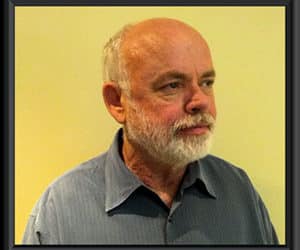
Some people, especially those with chronic disease, experience depression and/or seasonal affective disorder (SAD) after the holidays are over. Dr. Stuart Drescher, a psychologist experienced in working with patients with chronic diseases including ME/CFS and Fibromyalgia, gives tips on how to manage the letdown that often occurs in January and February, when the holidays are over and the days seem dark and dreary.
ME/CFS
When Mommy Can’t Dance: How to Be a Chronically Ill Mom
It’s a hard to be a sick mom. For most mothers, a few days of illness may mean a back-up of laundry and a night or two of frozen pizza or cold cereal for dinner. For those of us moms that are chronically ill, it’s a whole other ball game. Certainly we have to adapt, get creative, and employ as many mom hacks as we can (i.e. Amazon prime, grocery pick up, self-serve kid snacks, and yes, we still have an above average number of cereal dinners). Beyond the physical demands and limitations, however, are the mental and emotional obstacles that we face. The mom guilt is present enough when you are healthy; it can be even more crushing when you are not.
Ours Is Not a Caravan of Despair: Finding Hope
Dr. Elizabeth Sherlock has watched many family members suffer with ME/CFS throughout the past several decades. In this moving and poetical presentation, she shares what she and her family learned through these experiences and gives ideas on how to find your true self.
BHC Program and Research Update
BHC’s mission is to empower patients, advance research, and improve clinical care. What is happening to further those goals? At the November education meeting, Dr. Lucinda Bateman and Dr. Suzanne Vernon shared updates on the programs BHC is developing to ensure that this mission is accomplished. Highlights include development of a patient education program to empower patients, a practitioner education program that will improve clinical care, and implementation of a major research grant to advance the search for biomarkers.
ME/CFS and Related Illness: Putting It All Together
Understanding how ME/CFS and Fibromyalgia are related to and affected by other illnesses is key in helping patients find relief from symptoms. At the BHC Education Meeting in October, Dr. Nathan Holladay gave a broad view of the key aspects of the various problems that can cause these diseases or make them worse, including infections, immune system issues, and mitochondrial, metabolic, and endocrine dysfunction. Making the connections between these illnesses can help doctors and patients decide on customized treatment methods rather than “one-size-fits-all” treatments.
Dr. Derya Unutmaz Explains Collaborative Research Center “CRC” with BHC
Derya Unatmaz of Jackson Laboratories explains the partnership between Bateman Horne Center, Jackson Laboratory, and many other collaborators as part of our exciting new research. Myalgic encephalomyelitis/chronic fatigue syndrome (ME/CFS) is a debilitating illness...
Pass or Fail? A Young Patient’s Perspective
Written by Brooklyn Ingram, a young person with ME/CFS, this blog post describes her refusal to be defined by a disease. Read more of her blog Future Dead Person here. We live in a culture that demands clearly defined roles for every individual. I see these roles in...
NIH Awards Announced for ME/CFS Research Centers, BHC Key Member of Research Teams
The National Institute of Health has awarded funding for ME/CFS Collaborative Research Centers and Data Coordinating Center to collaborative research teams that include the Bateman Horne Center of Salt Lake City, Utah (BHC). This funding represents the largest single...
Nutrition: How Food Choices Impact How You Feel
The Whole Sisters (Nan Jensen and Nicole Bangerter) shared their journey with chronic illnesses at the September education meeting. View this presentation to learn about how food choices can affect symptoms. Visit their website for ideas on healthy food choices. Nan and Nicole discuss the importance of organic choices, the “dirty dozen” and the “clean fifteen”. They share tactics to develop self awareness and guidelines for reducing symptom presentation including recipe ideas.
What I Learned from the NASA 10-Minute Lean Test
Written by a patient who participated in a BHC research study to validate a new protocol used to assess orthostatic intolerance. Here she shares what she unexpectedly learned from her NASA 10-Minute Lean Test at BHC To be perfectly honest, when I decided to...
Building the Ranks of Skillful and Informed Medical Providers
BHC Strategies for Bringing Doctors up to Speed on ME/CFS and FM presented by Lucinda Bateman, MD, BHC Founder and Medical Director Improving the way medical providers understand, diagnose, and treat ME/CFS and Fibromyalgia is critical to progress and a primary...
Welcome to the Microorganism Hotel
Gut Microbes and ME/CFS Theresa Dowell is a family nurse practitioner and physical therapist. She has suffered from CFS for 12 years. It was her experiences as a CFS patient that motivated her to start a medical clinic in Flagstaff, Arizona dedicated solely to...


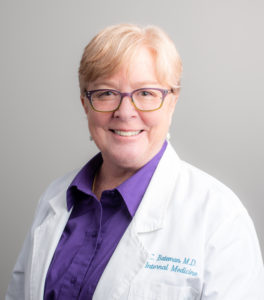
Lucinda Bateman, MD, is a renowned clinician, researcher, and educator. Her Johns Hopkins University Medical School training instilled an approach to care that she has employed throughout her career – the patient comes first and the unknown or unexplained does not equate to a lack of proper and compassionate care. Since starting her own practice in 2000, she has served on six boards or committees, been the principal investigator for 45 studies, authored/coauthored 40 journal articles, served as adjunct instructor and adjunct assistant professor in the University of Utah Departments of Preventative Medicine, Internal Medicine, and Anesthesiology, and lectured around the world.