On this page, BHC shares monthly online outreach event opportunities.
Event Calendar
Monthly Gatherings
Support Groups

First & Third Tuesday of each month
Both monthly support groups are designed to include people with ME/CFS, FM, Long COVID, and co-existing conditions. We also welcome supporters and loved ones.
These sessions are led by a licensed professional who has personal experience navigating life while living with a complex chronic illness. Each session includes a topic and guided discussion.
Participants are encouraged to participate to their comfort level which may include listening, communicating in the chat box, and/or sharing verbally with the group.
“Coffee” with a Clinician
2nd Wednesday
“Coffee” with a Clinician is a new Bateman Horne Center series designed to share practical, evidence-informed guidance on ME/CFS, Long COVID, and other infection-associated chronic conditions (IACCs) that you can share with your medical provider.
Each month, clinicians will walk us through an aspect of the Clinical Care Guide.
Who should attend:
People living with ME/CFS, Long COVID, or related IACCs; family members and caregivers; and clinicians who want a concise, practical starting point.
“Coffee” with a Clinician is free to attend, with an optional $5 donation to support BHC’s education and outreach programs.
A recording of each “Coffee” with a Clinician will be made publicly available.
Recent Outreach Event Recaps
October 6, 2026
Managing Common Chronic Illness Symptoms
September 15, 2026
When Our Bodies, Life and/or Others Don't Cooperate: Coping when Things Don't Go the Way We Want Them To
September 1, 2026
Emotional Freedom While Experiencing Illness: Avoiding Thinking Traps That Make Us Suffer
August 18, 2026
Dealing with the Harsh Inner Critic: Developing Selfcompassion for Resilience and Strength Amidst Disease
August 4, 2026
Caretaking While Chronically Ill: Parenting or Caring for Family Members
July 21, 2026
Limits, Wants, Boundaries and Needs: Taking Care of Ourselves While Chronically Ill
July 7, 2026
Navigating Work Loss and Financial Stress
June 16, 2026
My Illness is Real & So Am I: Successfully Facing Invalidation, Prejudice & Discrimination
June 2, 2026
Coping with Anxiety Amidst Chronic Disease
May 19, 2026
Dealing With Big & Difficult Emotions: Inappropriate Guilt & Shame
May 5, 2026
What's the Meaning of All of This? Creating Purpose Out of the Illness Experience
April 21, 2026
Who Am I Now? Identity & Chronic Illness
April 7, 2026
Managing Symptoms on a Daily Basis: Hacks & Strategies
March 17, 2026
Life Stages and Aging with ME/CFS or Long COVID
March 3, 2026
Communicating Needs with Confidence
February 17, 2026
Coping with Depression and Emotional Overload
February 3, 2026
Chronic Illness: Facing Limits and Losses (Moving through Grief)
January 20, 2026
Navigating Loneliness and Rebuilding Connection
January 6, 2026
Cultivating Hope with the New Year While Chronically Ill
December 16, 2025
Support Group: Freedom from Thinking Traps Amidst Chronic Disease
December 9, 2025
Support Group: Managing the Holidays with Chronic Illness, Solutions & Strategies
November 18, 2025
Support Group: Aquainted with Grief, Growing through Ambiguous Loss
November 11, 2025
Support Group: Denial, Resistance & Gaslighting, Coping with Others' Unhelpful Reaction to Our Illness
October 21, 2025
Support Group: Parenting with Chronic Illness, Challenges and Triumphs
October 14, 2025
Support Group: Navigating the Complex Healthcare Industry Using Awareness & Self-Advocacy Skill to Get What We Need
September 18, 2025
Peer Perspectives & Connections: My Favorite Things
September 16, 2025
Support Group: The Chronic Illness Experiences: Creating Purpose and Meaning
September 9, 2025
Support Group: Moving from Humiliation and Shame to Humility and Pride Part 1
August 21, 2025
Peer Perspectives & Connections: The Restful Library-Remote Resources for When Energy is Limited
August 19, 2025
Support Group: Moving from Humiliation and Shame to Humility and Pride Part 2
August 12, 2025
Support Group: Managing Physical Symptoms: Cognitive Issues, Sleep Disturbance, Chronic Pain, Fatigue and Disability
July 15, 2025
Support Group: Who am I? Identity and Chronic Illness
July 8, 2025
Support Group: Communication in the Context of Being Chronically Ill
June 19, 2025
Peer Perspectives & Connections: Body of Water; Performance and Conversation with Sara Nesson
June 17, 2025
Support Group: Radical Acceptance: Embracing Life Without Condition
June 10, 2025
Support Group: When Things Get Tough: Managing Difficult Emotions with Chronic Illness: Anxiety and Fear
May 20, 2025
Support Group: Love Relationships and Illness
May 15, 2025
Peer Perspectives & Connections: Writing About Pain and Pleasure
May 13, 2025
Support Group: Tapping Into the Widsom of the Group
April 17, 2025
Peer Perspectives & Connections: Breathing Workshop
April 15, 2025
Support Group: Re-introducing Peace, Happiness and Joy to the Illness
April 8, 2025
Support Group: Getting Unstuck in Stuck Places
March 20, 2025
Peer Perspectives & Connections: Guided Imagery for Turning Down the Senses
March 18, 2025
Support Group: When Things Get Tough... Managing Depression with Chronic Illness
March 11, 2025
Support Group: Surviving Invalidating Relationships and Experiences
February 20, 2025
Peer Perspectives & Connections: Shaping Our Experience Through Thoughtful Input
February 18, 2025
Support Group: When Things Get Tough... Managing Guilt and Shame with Chronic Illness
February 11, 2025
Support Group: Self-Compassion Amidst Chronic Illness
January 16, 2025
Lunch & Learn
January 14, 2025
Support Group: Effective Coping Techniques for Living with Chronic Illness
Teleconferencing Tips
The Bateman Horne Center uses the teleconferencing platform Zoom to host our online offerings. Here are some helpful tips.
Instructions for installing, testing, and using Zoom Technology required
- A laptop, desktop, or smartphone with a microphone and camera, a broadband network connection, and internet browser. Note: If your laptop doesn’t have a camera, you will still be able to see the materials and other people’s faces on your computer. If your computer does not have a good microphone, you can use your phone for sound. Consider using earpods or a similar device if you have limited speaker/mic capacity.
- Zoom supports the following operating systems and browsers
- Systems:
- Windows 10, 8 or 8.1, or 7
- MacOS X with macOS 10.7 or later
- Browsers:
- Windows: IE 11+
- Edge 12+
- Firefox 27+
- Chrome 30+
- Mac: Safari 7+, Firefox 27+, Chrome 30+
- Systems:
Installing Zoom software and testing it out before the meeting
- If you have never used Zoom before, download Zoom before the meeting at the following address: https://zoom.us/download and click on “Download.” Then, follow the normal procedure to install an application on your computer. If you do not do it before the meeting, you will need to install it before you can connect.
- You will be asked if you want to open Zoom. Click on “Open Zoom.US.” If you do not see that prompt, you may need to reinstall Zoom and the screen will prompt you to do so.
- On the next screen, select the option to “Test Computer Audio” and then select the options to test Audio and Video.
- To join the meeting, click the connection link provided in your registration email.
- You will be prompted to enter the meeting’s password in order to join. This is located within the same registration email below the ‘click here to join’ prompt.
- When you connect, you will be asked if you want to use computer audio or phone audio. Pick one or the other but not both.
- If you cannot connect using the Zoom URL, connect by phone: Dial the number listed in the registration email, then enter meeting ID also found within the same email.
- If you are having trouble getting connected, try copying and pasting the connection link into a new web browser (Google Chrome is most compatible).
- If for some reason that fails, then type in Zoom.us into your web browser, click “join meeting” and enter the meeting ID found in your registration email.
- You can share the screen on your laptop by clicking “Share” on the Zoom screen.
- To control background noise, everyone will be placed on mute and you will have to “raise your hand” to speak. A Zoom moderator will call on you to unmute yourself and speak.
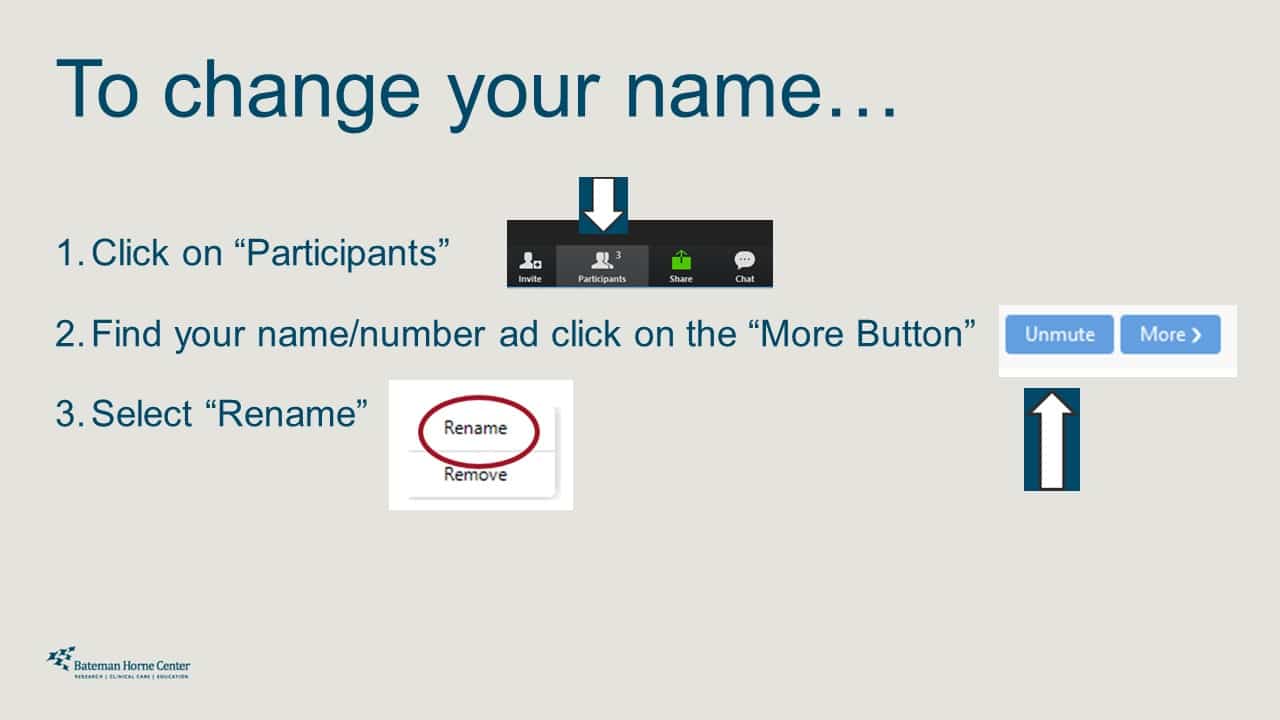
- You can change your screen name if it does not display your full name.
- You can also use “Chat” if you want to send a message to the Zoom moderator or the group.
- Details on how to do these activities are provided below
- If you leave the meeting, you can re-enter using the same connection link found in your registration email.
- Keep your system muted until ready to speak; utilize “raise hand” option.
- You can use “chat” privately or to the group; if “chat” is flashing, you have a message.
- The sessions will be recorded and transcribed for internal documentation.
- What causes an echo in my meeting : An echo can happen if you have connected to the meeting audio on multiple devices – for instance, using your phone and your computer.
- Your Zoom video freezes – you may have to exit Zoom and start over. If it happens again, you may want to leave your video off.
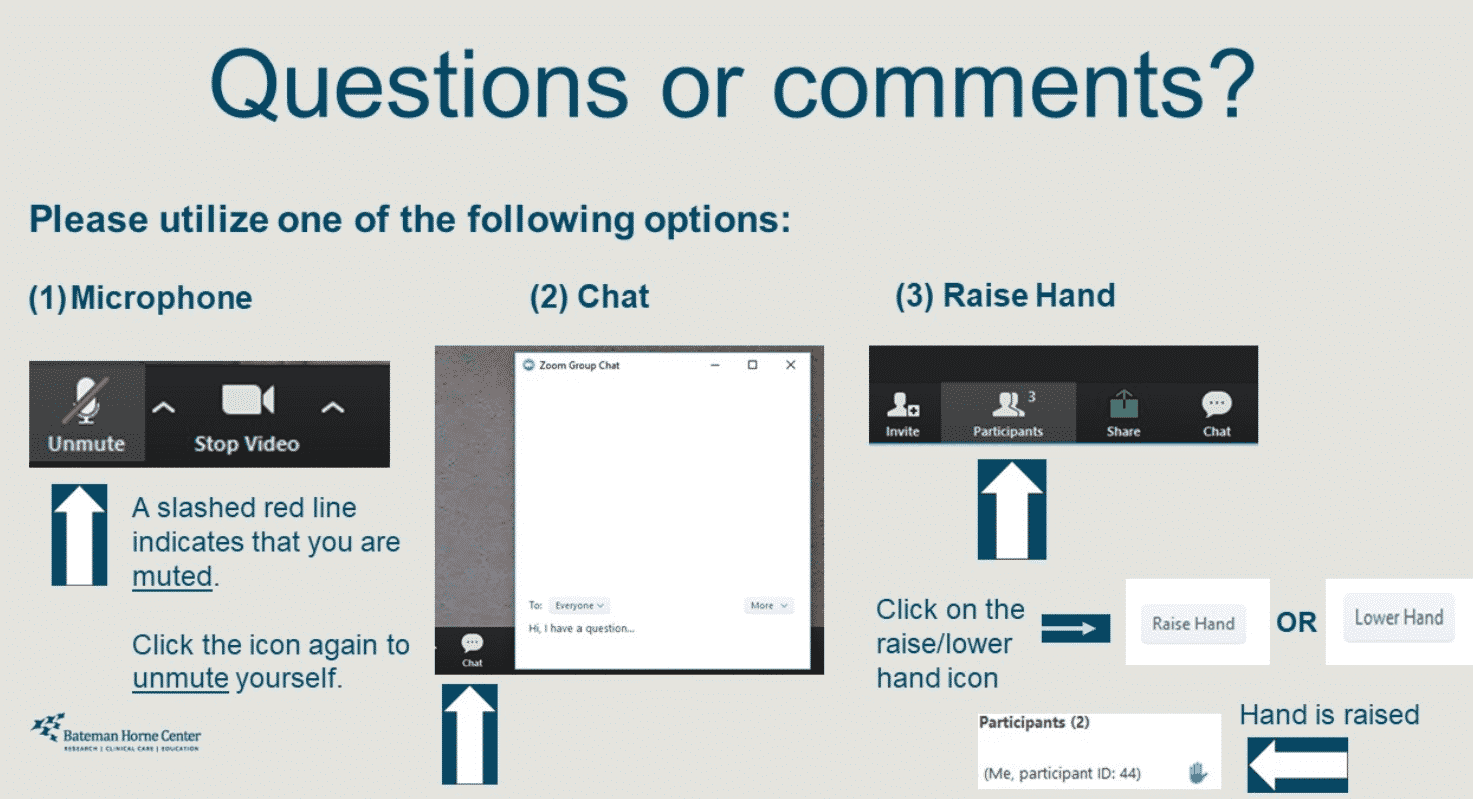
Zoom Screen Controls to Change Screen Name, How the Participants are displayed.
Global Connections
Northern Hemisphere
Canada
AQEM (Association Quebec Encephalomyelitis Myalgic)
Norwegian ME Association – Rogaland County Council
United Kingdom
 Lucinda Bateman, MD, is a renowned clinician, researcher, and educator. Her Johns Hopkins University Medical School training instilled an approach to care that she has employed throughout her career – the patient comes first and the unknown or unexplained does not equate to a lack of proper and compassionate care. Since starting her own practice in 2000, she has served on six boards or committees, been the principal investigator for 45 studies, authored/coauthored 40 journal articles, served as adjunct instructor and adjunct assistant professor in the University of Utah Departments of Preventative Medicine, Internal Medicine, and Anesthesiology, and lectured around the world.