Chapter 7: Brain fog can make it easy to forget your medication routine when you are experiencing PEM or moving into a crash. Delayed or missed medications can exacerbate a crash and/or slow your crash recovery.
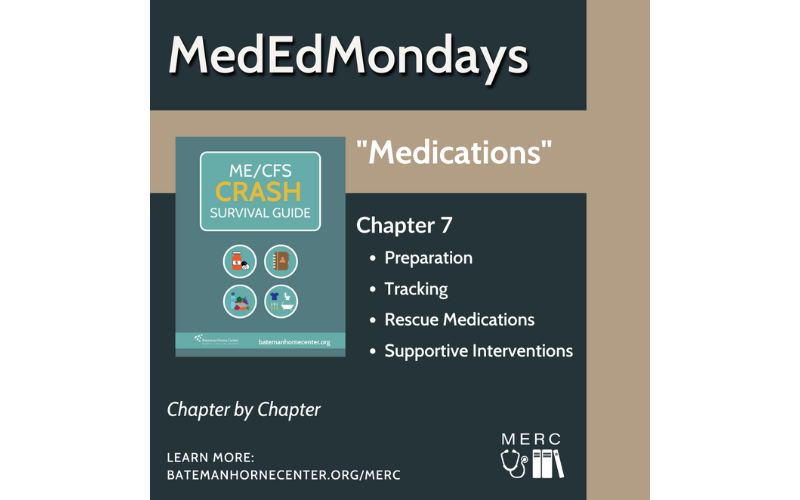
Chapter 7: Brain fog can make it easy to forget your medication routine when you are experiencing PEM or moving into a crash. Delayed or missed medications can exacerbate a crash and/or slow your crash recovery.
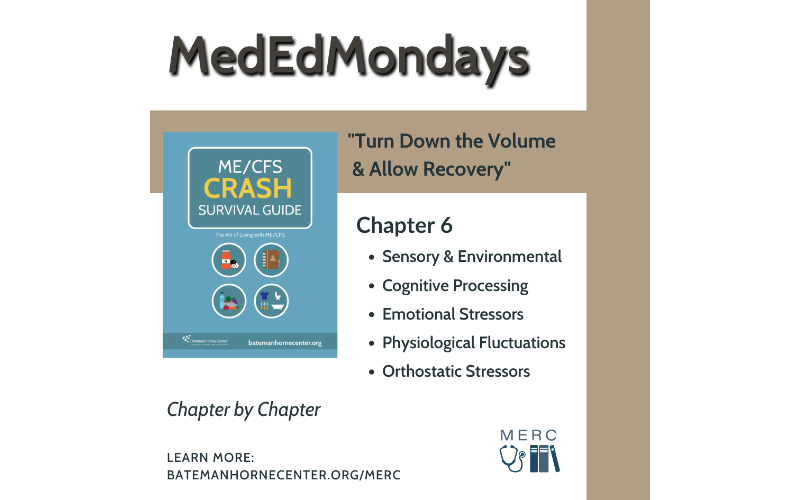
Chapter 6: There are many environmental triggers and stimuli that can precipitate and/or prolong crash recovery. Try to minimize all energy demands, sensory and physical stimuli, and allow your body the space to restore and recharge.
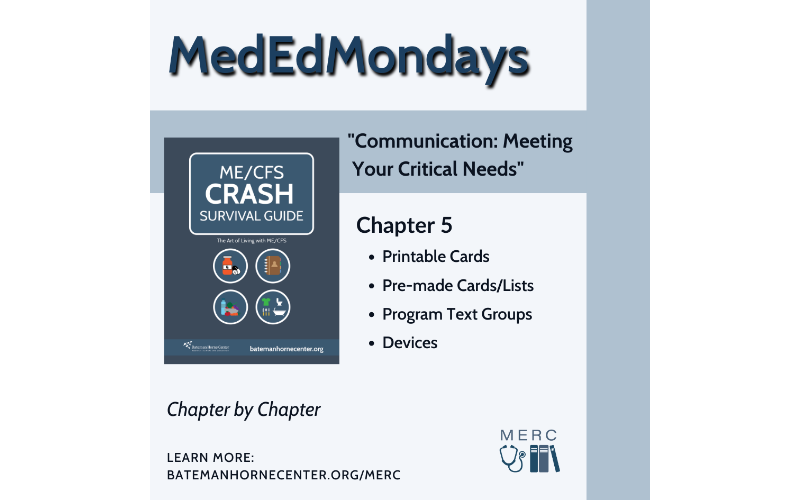
Chapter 5: Communication – Meeting Your Critical Needs. During a crash, it can be difficult to communicate with others. This section references downloadable and printable communication cards to help you communicate your needs. Consider keeping these in your bedside Crash Care Kit or on your electronic device to point/show your caregiver, loved one, or support services.
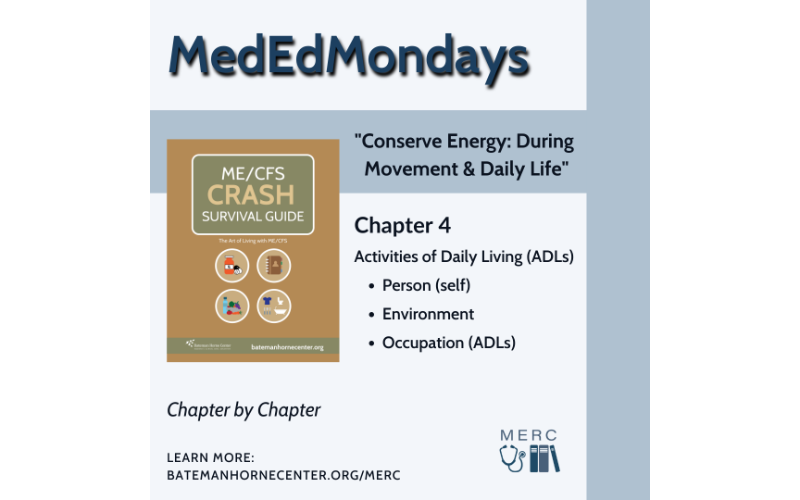
This blog post covers the fourth chapter of the ME/CFS Crash Survival Guide. The information provided can also apply to individuals with long COVID and other multi-system chronic complex illnesses that have a PEM component. Click here to download the entire guidebook....
This blog post covers the third chapter of the ME/CFS Crash Survival Guide. The information provided can also apply to individuals with long COVID and other multi-system chronic complex illnesses that have a PEM component. Click here to download the entire guidebook....

Potential Targets for ME/CFS Clinical Trials This week showcased Bateman Horne Center’s strategic plan in action. The new research published in two separate papers in the prestigious journal, Cell Host & Microbe, provided further evidence that the microbiome and...

Signature microbiome disturbances in ME/CFS may point to biomarker and treatment trials New research reveals differences in the gut microbiomes of people with myalgic encephalomyelitis/ chronic fatigue syndrome (ME/CFS) compared to those of healthy controls. ME/CFS is...

If you are reading this, congratulations! You have survived another day. And that’s something when you’re living with or supporting someone with diseases like myalgic encephalomyelitis, fibromyalgia, long Covid, POTS, mast cell activation syndrome, and similarly complicated fatiguing illnesses. (Even listing them is exhausting!)
This blog post covers the second chapter of the ME/CFS Crash Survival Guide. The information provided can also apply to individuals with long COVID and other multi-system chronic complex illnesses that have a PEM component. Click here to download the entire guidebook....
What is ME/CFS and Understanding a Crash
Living with diseases like ME/CFS requires the affected individual to understand the defining characteristic of the disease, post-exertional malaise (PEM), and what it means when the body is pushed into a deep state of PEM, known as a crash. Awareness about how crashes occur, and how to meet the body’s critical needs during a crash, will afford the individual more control over their healing process and living with the disease.
Chapter 7: Brain fog can make it easy to forget your medication routine when you are experiencing PEM or moving into a crash. Delayed or missed medications can exacerbate a crash and/or slow your crash recovery.
Chapter 6: There are many environmental triggers and stimuli that can precipitate and/or prolong crash recovery. Try to minimize all energy demands, sensory and physical stimuli, and allow your body the space to restore and recharge.
Chapter 5: Communication – Meeting Your Critical Needs. During a crash, it can be difficult to communicate with others. This section references downloadable and printable communication cards to help you communicate your needs. Consider keeping these in your bedside Crash Care Kit or on your electronic device to point/show your caregiver, loved one, or support services.
This blog post covers the fourth chapter of the ME/CFS Crash Survival Guide. The information provided can also apply to individuals with long COVID and other multi-system chronic complex illnesses that have a PEM component. Click here to download the entire guidebook....
This blog post covers the third chapter of the ME/CFS Crash Survival Guide. The information provided can also apply to individuals with long COVID and other multi-system chronic complex illnesses that have a PEM component. Click here to download the entire guidebook....

Potential Targets for ME/CFS Clinical Trials This week showcased Bateman Horne Center’s strategic plan in action. The new research published in two separate papers in the prestigious journal, Cell Host & Microbe, provided further evidence that the microbiome and...

Signature microbiome disturbances in ME/CFS may point to biomarker and treatment trials New research reveals differences in the gut microbiomes of people with myalgic encephalomyelitis/ chronic fatigue syndrome (ME/CFS) compared to those of healthy controls. ME/CFS is...

If you are reading this, congratulations! You have survived another day. And that’s something when you’re living with or supporting someone with diseases like myalgic encephalomyelitis, fibromyalgia, long Covid, POTS, mast cell activation syndrome, and similarly complicated fatiguing illnesses. (Even listing them is exhausting!)
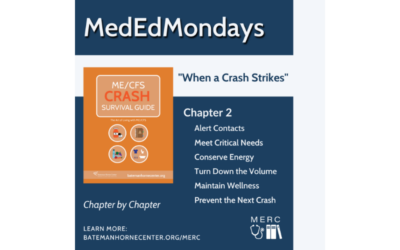
This blog post covers the second chapter of the ME/CFS Crash Survival Guide. The information provided can also apply to individuals with long COVID and other multi-system chronic complex illnesses that have a PEM component. Click here to download the entire guidebook....
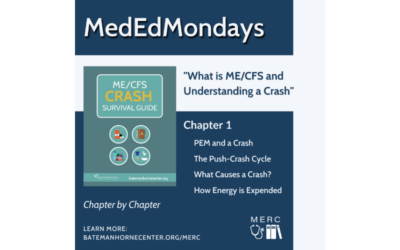
What is ME/CFS and Understanding a Crash
Living with diseases like ME/CFS requires the affected individual to understand the defining characteristic of the disease, post-exertional malaise (PEM), and what it means when the body is pushed into a deep state of PEM, known as a crash. Awareness about how crashes occur, and how to meet the body’s critical needs during a crash, will afford the individual more control over their healing process and living with the disease.
 Lucinda Bateman, MD, is a renowned clinician, researcher, and educator. Her Johns Hopkins University Medical School training instilled an approach to care that she has employed throughout her career – the patient comes first and the unknown or unexplained does not equate to a lack of proper and compassionate care. Since starting her own practice in 2000, she has served on six boards or committees, been the principal investigator for 45 studies, authored/coauthored 40 journal articles, served as adjunct instructor and adjunct assistant professor in the University of Utah Departments of Preventative Medicine, Internal Medicine, and Anesthesiology, and lectured around the world.